Skip to content
Why Servo Motors Are Essential for the Rubber & Plastics Industry?
The adoption of servo motors in the rubber and plastics industry stems from their core advantages: precision control, superior energy efficiency, and reliable stability.
Precision Control: Meeting Strict Molding Requirements
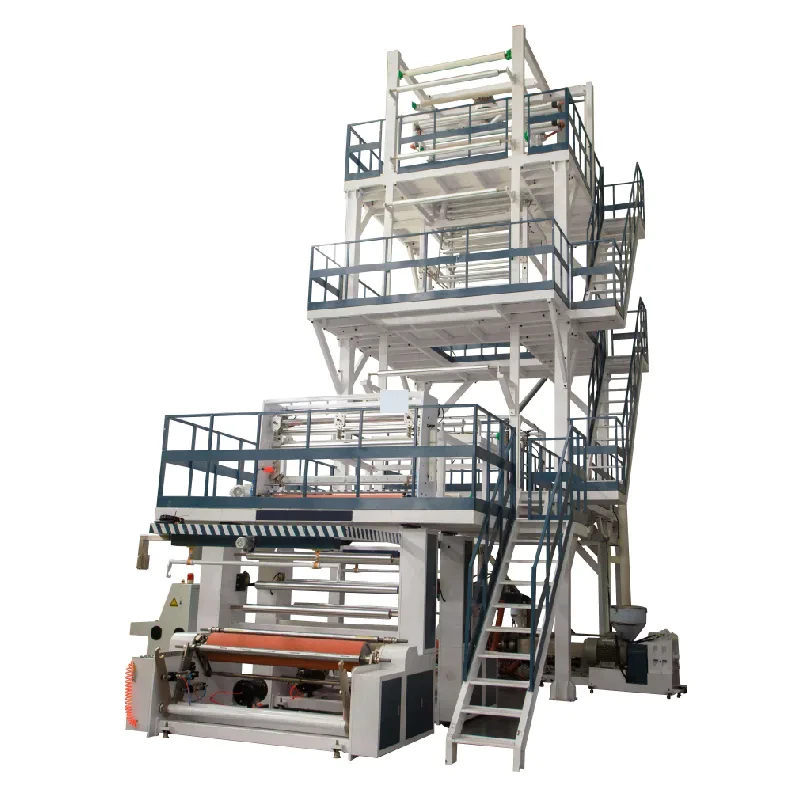
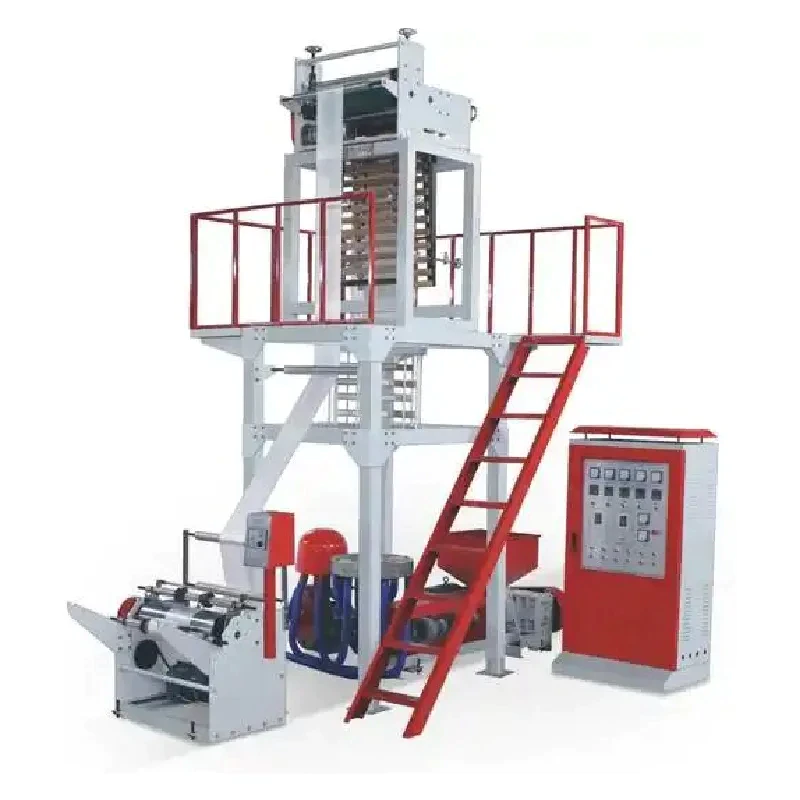
Servo motors can achieve precise control of position, speed, and acceleration through a closed-loop feedback system, with an error range of up to ±0.001 mm. In processes such as screw metering of injection molding machines or extrusion of film blowing machines, it is necessary to strictly ensure the matching between the molten material flow rate and the mold requirements. Conventional motors are unable to meet the precision demands of these processes.
Energy Efficiency: Cutting Costs, Reducing Waste
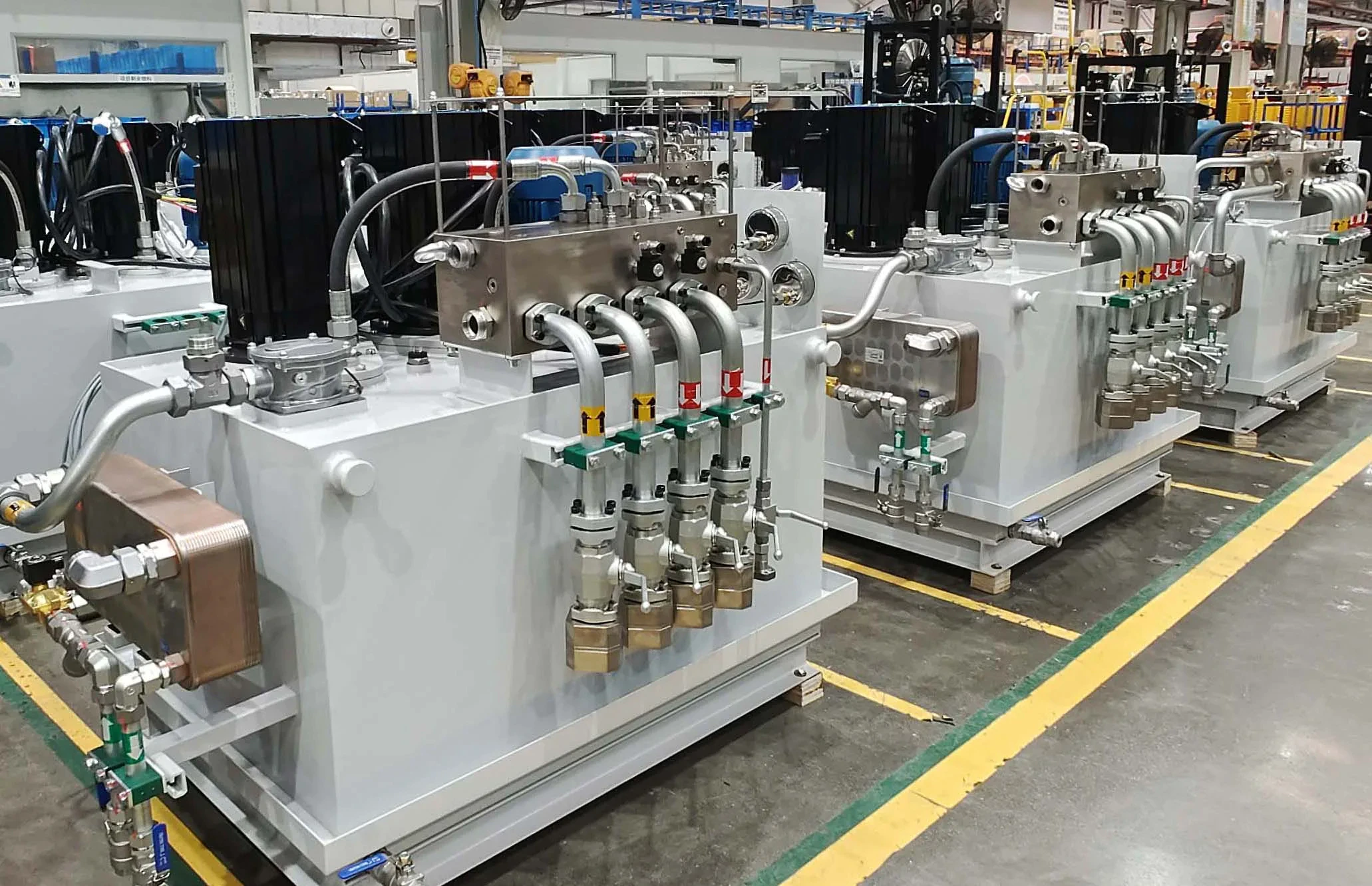
The efficiency of servo systems can reach 90%, which is 40%-90% more energy-efficient than traditional hydraulic systems. For example, in injection molding machines, servo-driven oil pumps only operate when oil supply is needed, resulting in no energy waste; in contrast, traditional fixed-displacement pumps need to adjust excess oil volume through overflow, leading to higher energy consumption.
Dynamic Load Adaptability: Suiting Diverse Processes
Servo motors can output high torque at low speeds (e.g., spindle speed of 0~160 rpm) and maintain constant torque at high speeds, making them suitable for low-speed extrusion and high-speed injection scenarios in rubber and plastic machinery. Their dynamic response speed is 3 times faster than that of conventional motors, enabling rapid adjustment of rotational speed to cope with process changes.
Stability & Low Maintenance: Minimizing Downtime
Servo systems adopt full digital control, which reduces mechanical transmission components (such as reducers) and simplifies maintenance procedures. For instance, after the transformation of film blowing machines, reducers are eliminated, reducing failure rates and maintenance costs.